
Wax vs. Ceramic Coating: Which One Actually Protects Your Paint Better?
If you’ve been researching paint protection for your vehicle, you’ve probably come across the same question over and over: should you wax your car, or invest in a ceramic coating?
Both are designed to protect your paint and improve gloss, but they work very differently. And depending on how you use your vehicle, one option may make a lot more sense than the other.
At PROTEK Ceramic in Santa Fe Springs, we talk to Southern California drivers every day who want to keep their vehicles looking clean while protecting long-term value. Here’s a straightforward breakdown of wax vs. ceramic coating — and what you should know before choosing either one.
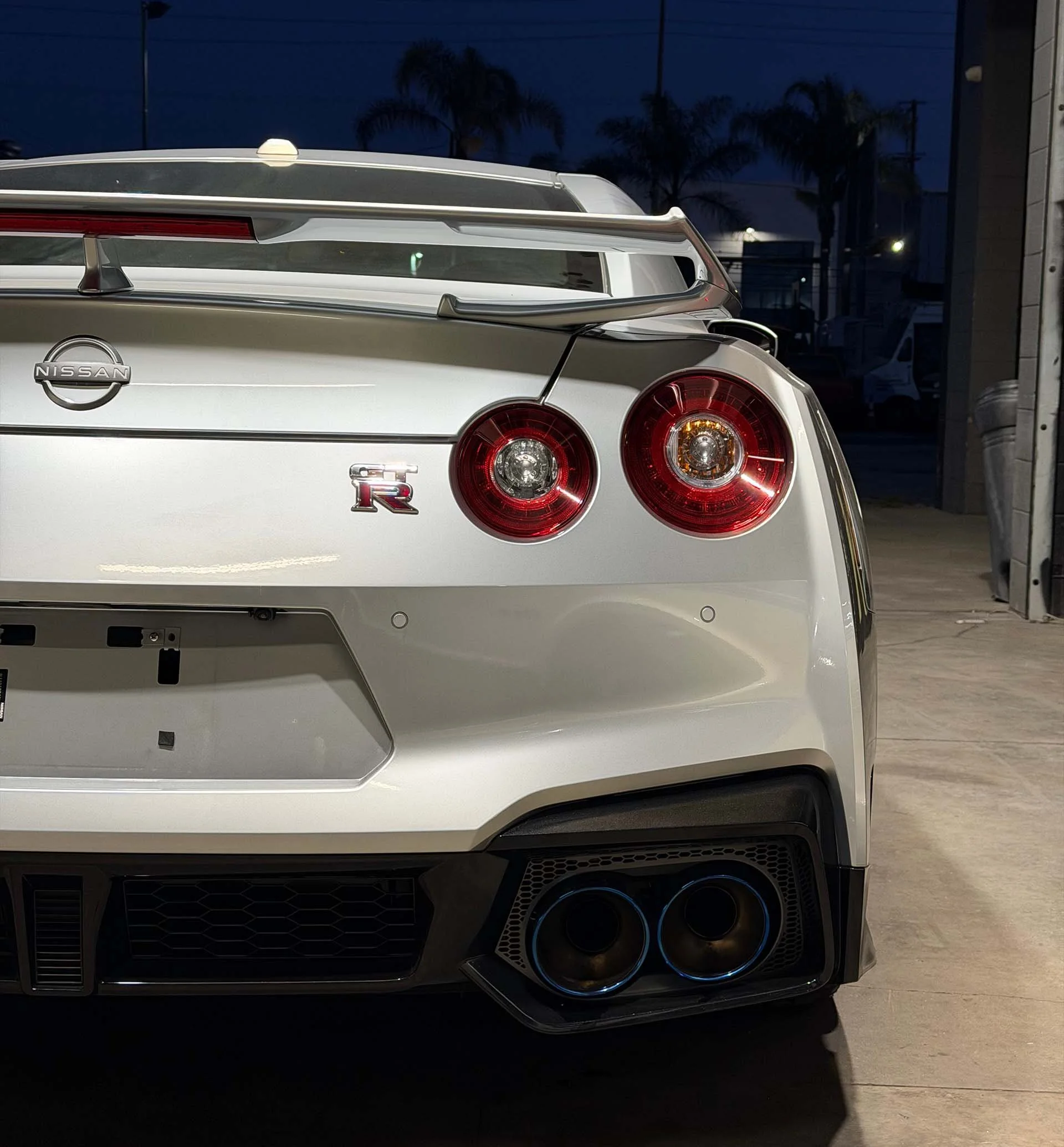
What Does Car Wax Actually Do?
Traditional car wax creates a temporary protective layer on top of your vehicle’s clear coat. Most waxes are made from natural carnauba wax, synthetic polymers, or a combination of both.
When applied correctly, wax can:
Add warmth and gloss to the paint
Help water bead off the surface
Provide light protection against contaminants
Improve the appearance of minor imperfections
For years, waxing was the standard method of paint protection. The issue is durability.
In real-world driving conditions — especially in places like Santa Fe Springs where vehicles deal with sun exposure, coastal air, road grime, and hard water — wax wears down quickly. Most wax products last anywhere from a few weeks to a couple of months depending on weather, washing habits, and how the vehicle is stored.
That means regular maintenance is required if you want consistent protection.
How Ceramic Coating Works
Ceramic coating is a liquid-applied protective layer that chemically bonds to your vehicle’s clear coat. Unlike wax, it doesn’t simply sit on the surface temporarily.
Once cured, ceramic coatings create a more durable barrier against:
UV damage
Oxidation
Bird droppings
Water spotting
Road contaminants
Chemical stains
One of the biggest reasons ceramic coatings have become popular is because they make maintenance easier. Dirt and grime don’t stick to the paint as aggressively, and washing the vehicle becomes more efficient.
You also get a sharper, more reflective finish that tends to last significantly longer than traditional wax.
For drivers in Southern California, that added UV resistance matters. Constant sun exposure can slowly fade and oxidize paint over time, especially on darker-colored vehicles.
Wax vs. Ceramic Coating: The Real Difference
The easiest way to compare wax and ceramic coating is this:
Wax is short-term protection. Ceramic coating is long-term protection.
Wax can still be a solid option for someone who enjoys regularly detailing their car and doesn’t mind frequent upkeep. It’s also less expensive upfront.
But ceramic coating offers:
Longer-lasting protection
Better resistance to environmental damage
Easier vehicle maintenance
Improved hydrophobic performance
More consistent gloss over time
That doesn’t mean ceramic coating makes your car indestructible. It won’t stop rock chips, scratches, or improper washing damage.
That’s where services like Paint Protection Film (PPF) come into play. PPF is designed to physically absorb impact from debris and road damage, while ceramic coating focuses more on surface protection and easier maintenance.
Many car owners combine both depending on how they use the vehicle.
Which Option Makes More Sense for Your Vehicle?
It comes down to expectations.
If you enjoy waxing your car every few weeks and treat detailing as a hobby, wax may still fit your routine.
But if you:
Drive daily
Park outside often
Want easier maintenance
Care about long-term paint condition
Plan to keep resale value high
…then ceramic coating usually becomes the better investment.
This is especially true for newer vehicles. Protecting the paint early helps reduce long-term wear and keeps the finish in better condition over time.
At PROTEK Ceramic, we also recommend correcting the paint before applying a ceramic coating whenever necessary. Paint correction removes swirl marks, oxidation, and imperfections so the coating locks in a cleaner finish rather than sealing defects underneath.
For some drivers, combining ceramic coating with:
Paint Protection Film (PPF) on high-impact areas
Window tint for interior protection and heat reduction
Professional auto detailing maintenance
…creates the most complete protection setup.
Final Thoughts
Wax still has a place in car care, but ceramic coating has become the preferred option for drivers looking for longer-lasting paint protection and easier maintenance.
The biggest difference isn’t just shine — it’s durability, consistency, and how well the vehicle holds up over time.
If you’re researching ceramic coating in Santa Fe Springs and want to understand what makes sense for your vehicle, stop by PROTEK Ceramic or call (562) 239-6550. Whether you’re considering ceramic coating, Paint Protection Film (PPF), window tint, paint correction, or detailing services, the goal is the same: protecting the vehicle correctly from the start.
