
If you've spent any time researching ceramic coating, you've seen the offers: a full coating for a fraction of what most professional shops quote, sometimes finished in a few hours. For a lot of car owners, that price is hard to ignore. Ceramic coating is ceramic coating, right?
Not quite. Two cars can both leave a shop "ceramic coated" and look nothing alike a year later. The difference rarely comes down to the bottle. It comes down to the product actually used, the preparation behind it, and the time the installer is willing to spend. Here's what's usually going on behind a cheap ceramic coating deal, and how to tell whether you're getting real protection or just a short-lived shine.
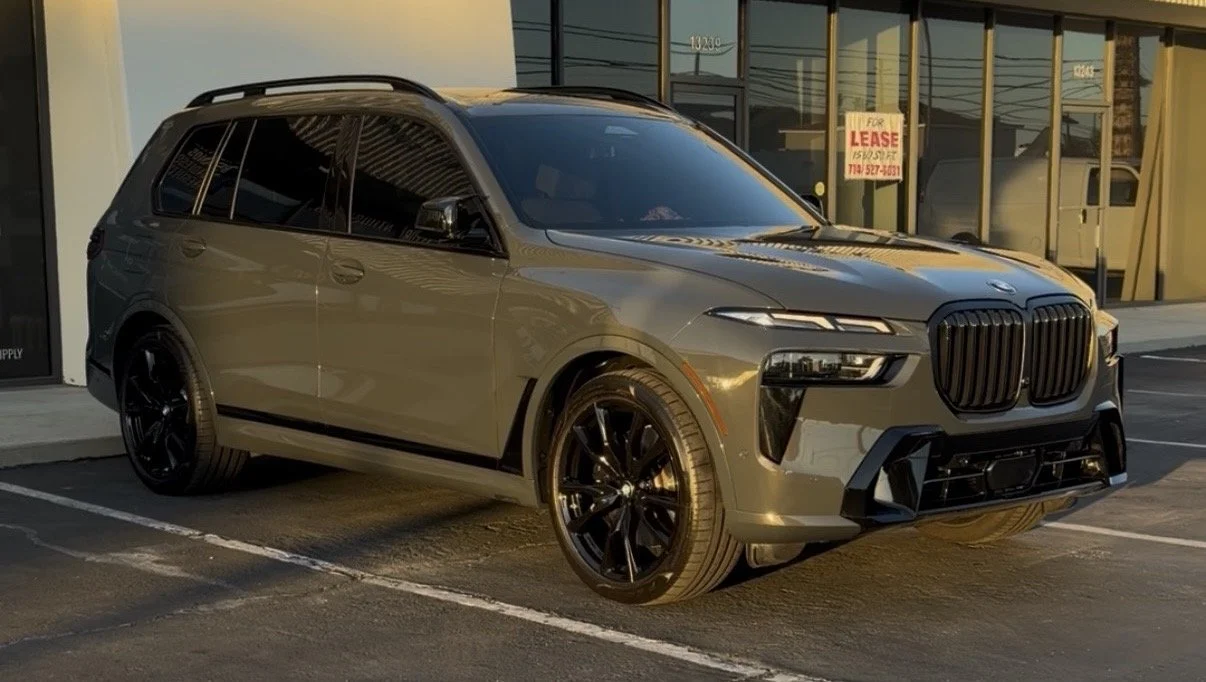
This Bmw X7 was paint corrected and ceramic coated back in May 2026. This image was taken in late October 2026. A well done ceramic coating service is meant to last. 5 months later ads a basic wash makes it look like it was just detailed.
Why Ceramic Coating Prices Vary So Much
Most people assume the price of a coating reflects the price of the product. In reality, the liquid itself is a small part of the job. The bulk of the cost is labor, and most of that labor happens before the coating ever touches the paint.
A proper ceramic coating installation typically includes:
A thorough wash and decontamination to remove embedded iron particles, tar, and bonded contaminants that a normal wash leaves behind.
Paint correction to remove swirl marks, light scratches, and oxidation.
A panel prep wipe so the coating bonds to bare clear coat instead of leftover oils or polish residue.
Careful application and leveling, panel by panel, under proper lighting.
Controlled curing time before the car goes back out into the elements.
Done correctly, that process often takes a full day or more, depending on the vehicle's condition. When a deal promises the same result in a fraction of the time at a fraction of the price, something on that list is getting shortened or skipped.
Where Cheap Deals Usually Cut Corners
Skipping paint correction. This is the most common shortcut and the most important one to understand. A ceramic coating doesn't hide defects; it locks them in. Coatings add depth and gloss, which means swirl marks and scratches can actually become more noticeable once they're sealed under a hard, clear layer. Correcting the paint first is what makes a coated car look the way people expect it to.
Using a spray sealant and calling it a coating. Many products marketed as "ceramic" are SiO2-infused spray sealants. They're easy to apply and they do add gloss and water beading, but they're built to last months, not years. There's nothing wrong with these products on their own; the problem is when they're sold as a professional-grade coating.
Rushed or uneven application. Professional coatings have to be applied and leveled within a specific window. Rush it, and you get high spots: dark, smeary patches of cured coating that have to be polished off. In Southern California heat, coatings can flash faster, which makes careful, controlled application even more important.
No controlled environment. Coating a car outdoors or in a dusty bay invites contamination into the finish, and sending it straight back into the sun or a sprinkler before it cures can affect how well it bonds.
Vague warranties and no aftercare. A low-cost package often comes with little explanation of what the warranty covers, whether it's tied to the manufacturer, or how to maintain the coating so it actually lasts.
The Real Cost of a Bad Coating
The frustrating part about a poorly installed coating is that fixing it isn't simple. Because a true ceramic coating bonds to the clear coat, removing it requires machine polishing, the same process that should have been done before it was applied. That means paying for correction and a new coating on top of what you already spent.
There's also the expectation gap. Many cheap deals are sold with the idea that a coating makes a car "scratch-proof" or chip-proof. It doesn't. A coating adds chemical resistance, UV protection, and makes washing much easier, but it won't stop rock chips on the freeway. That's what paint protection film (PPF) is designed for. A reputable installer will tell you which one fits your goals, or whether a combination of both makes sense, instead of overselling one product to do everything.
Questions to Ask Before You Book
Whether you're comparing shops in Santa Fe Springs or anywhere else in Southern California, these questions will tell you a lot about what you're actually paying for:
What specific product are you using, and what is its rated durability? You should get a brand and product name, not just "ceramic."
Is paint correction included, and how much? Ask whether it's a single-step polish or a multi-step correction, and what results to expect based on your paint's condition.
How long will you need the car? A same-day turnaround on a car with neglected paint is a red flag.
Where is the coating applied and cured? Look for an indoor, clean, well-lit space.
What does the warranty cover, and what maintenance is required? Get it in writing.
Can I see your work? Recent photos, videos, or in-person examples say more than a price ever will.
A good shop welcomes these questions. If the answers are vague, the coating probably will be too.
Protect Your Investment the Right Way
Ceramic coating is one of the best things you can do for your vehicle's paint, appearance, and long-term resale value, but only when it's done correctly. The goal isn't to find the most expensive option. It's to understand what goes into the work so you can make an informed decision.
If you're in Santa Fe Springs or the surrounding area and want an honest assessment of your paint and the right protection for how you drive, the team at Protek Automotive Protection is happy to walk you through your options, from ceramic coating and paint correction to PPF, window tint, and detailing. Call us at (562) 239-6550 or visit protekceramic.com to learn more or schedule a visit.
