
Wheel Ceramic Coatings: Are They Worth It?
When most people think about protecting their vehicle, they focus on the paint. But wheels take some of the harshest abuse on the road—especially in Long Beach, CA where daily driving, brake dust, coastal air, and heat all work against your finish.
Wheel ceramic coatings are designed to handle exactly that. If you’re already considering ceramic coating for your paint or just want easier maintenance, understanding how wheel coatings work—and when they make sense—is important.
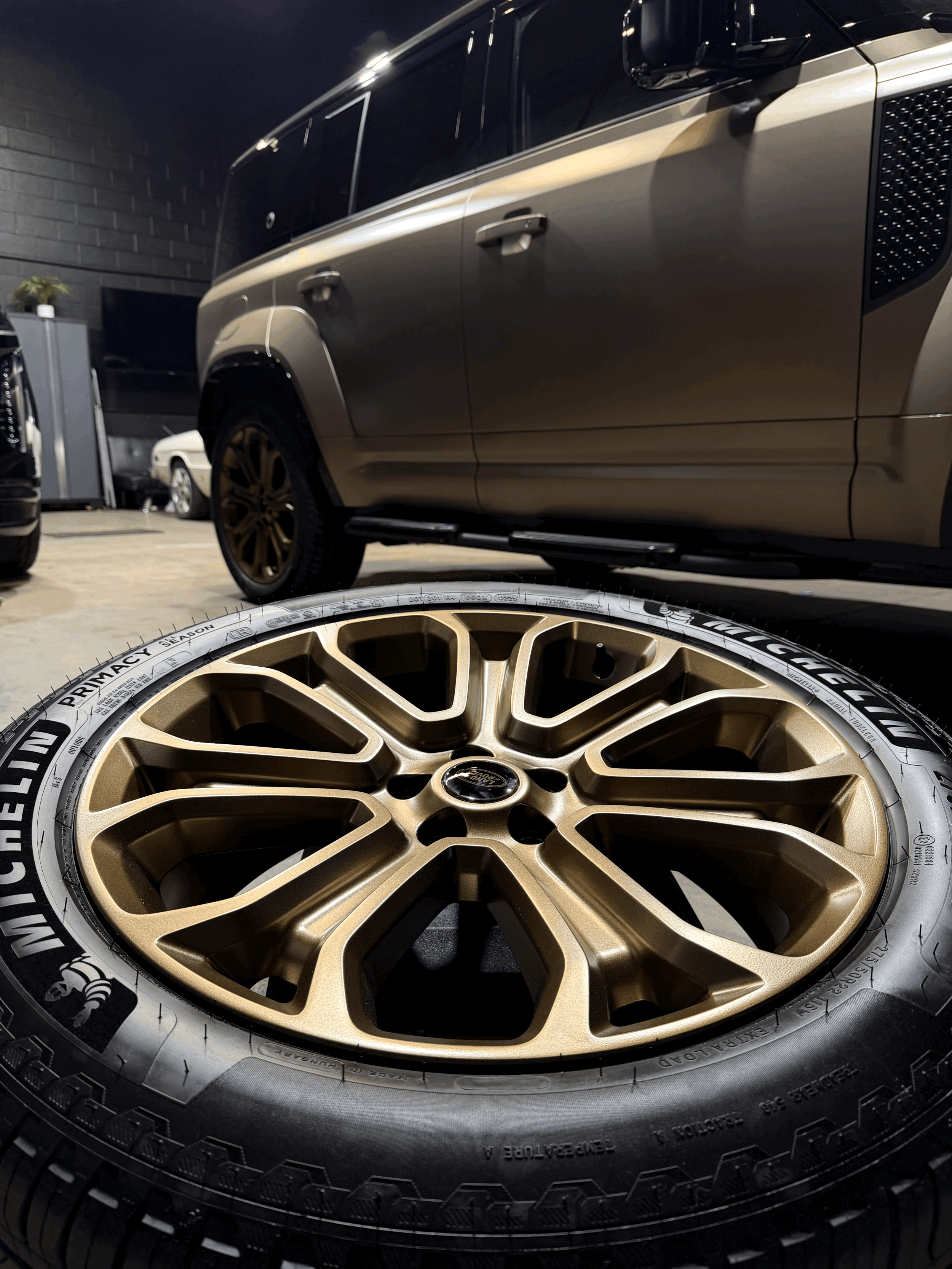
What Is a Wheel Ceramic Coating?
A wheel ceramic coating is a specialized protective layer applied to your wheels to help resist contamination, brake dust buildup, and staining.
Unlike standard paint coatings, wheel coatings are formulated to handle:
Higher temperatures from braking
Heavy brake dust exposure
Road grime and tar
Once applied, the coating bonds to the surface of the wheel—whether it’s painted, powder-coated, or clear-coated—and creates a smoother, more resistant finish.
The goal isn’t just protection—it’s also to make cleaning significantly easier.
Why Wheels Need Protection More Than You Think
Wheels are constantly exposed to contaminants that don’t affect the rest of the vehicle in the same way.
The main issue: brake dust
Brake dust is made up of tiny metallic particles from your brake pads and rotors. When it lands on your wheels, it’s often hot—and that heat allows it to embed into the surface.
Over time, this can lead to:
Permanent staining
Pitting in the finish
Difficult-to-remove buildup
In Southern California conditions, this gets worse. Heat accelerates bonding, and if the vehicle isn’t washed regularly, contamination sits longer than it should.
A wheel ceramic coating adds a barrier that helps prevent that bonding process from happening as aggressively.
The Real Benefits of Wheel Ceramic Coatings
A properly applied wheel coating isn’t just about keeping your wheels clean—it changes how they behave over time.
Easier Cleaning: Brake dust and grime don’t stick as easily
Reduced Staining: Less risk of long-term damage or discoloration
Better Appearance: Wheels maintain their finish longer
Time Savings: Less scrubbing, faster washes
What Wheel Coatings Don’t Do
It’s important to understand the limitations.
A wheel ceramic coating will not:
Prevent curb rash
Stop rock chips or physical damage
Eliminate the need for regular cleaning
It’s a maintenance tool—not a replacement for proper care.
How to Maintain Coated Wheels
Once your wheels are coated, maintenance becomes simpler—but it still matters.
Best practices:
Wash your wheels regularly (every 1–2 weeks)
Use pH-neutral or safe wheel cleaners
Avoid harsh acid-based products when possible
Use soft brushes or microfiber tools
Because the coating reduces how strongly contaminants bond, you won’t need aggressive scrubbing or heavy chemicals as often.
When It Makes Sense
Wheel ceramic coatings are a smart option if:
You drive your car daily
Your vehicle produces heavy brake dust
You want to reduce maintenance time
You’ve invested in aftermarket or high-end wheels
For many drivers in Long Beach, CA, it’s a practical upgrade—especially when paired with a full ceramic coating or detailing service.
Final Thoughts
Wheel ceramic coatings are one of the most overlooked forms of protection, but they solve a very real problem. Brake dust, heat, and road contamination can quickly wear down the appearance of your wheels if left unprotected.
With the right approach, you’re not just protecting the finish—you’re making ongoing maintenance faster and more efficient.
If you have any questions or want to see if this is the right fit for your vehicle, feel free to reach out.
