
When it comes to protecting your vehicle's paint, two of the most popular options are ceramic coating and paint protection film (PPF). Both offer valuable protection, but they serve different purposes. Understanding the difference is important before investing in either service.
Many car owners in Southern California want to keep their vehicles looking newer for longer. Between daily commuting, highway driving, road debris, intense sunlight, and environmental contaminants, vehicle paint is constantly exposed to potential damage.
So, should you choose ceramic coating or PPF? The answer depends on what you're trying to protect your vehicle from, how you drive, and how you want to maintain your paint.
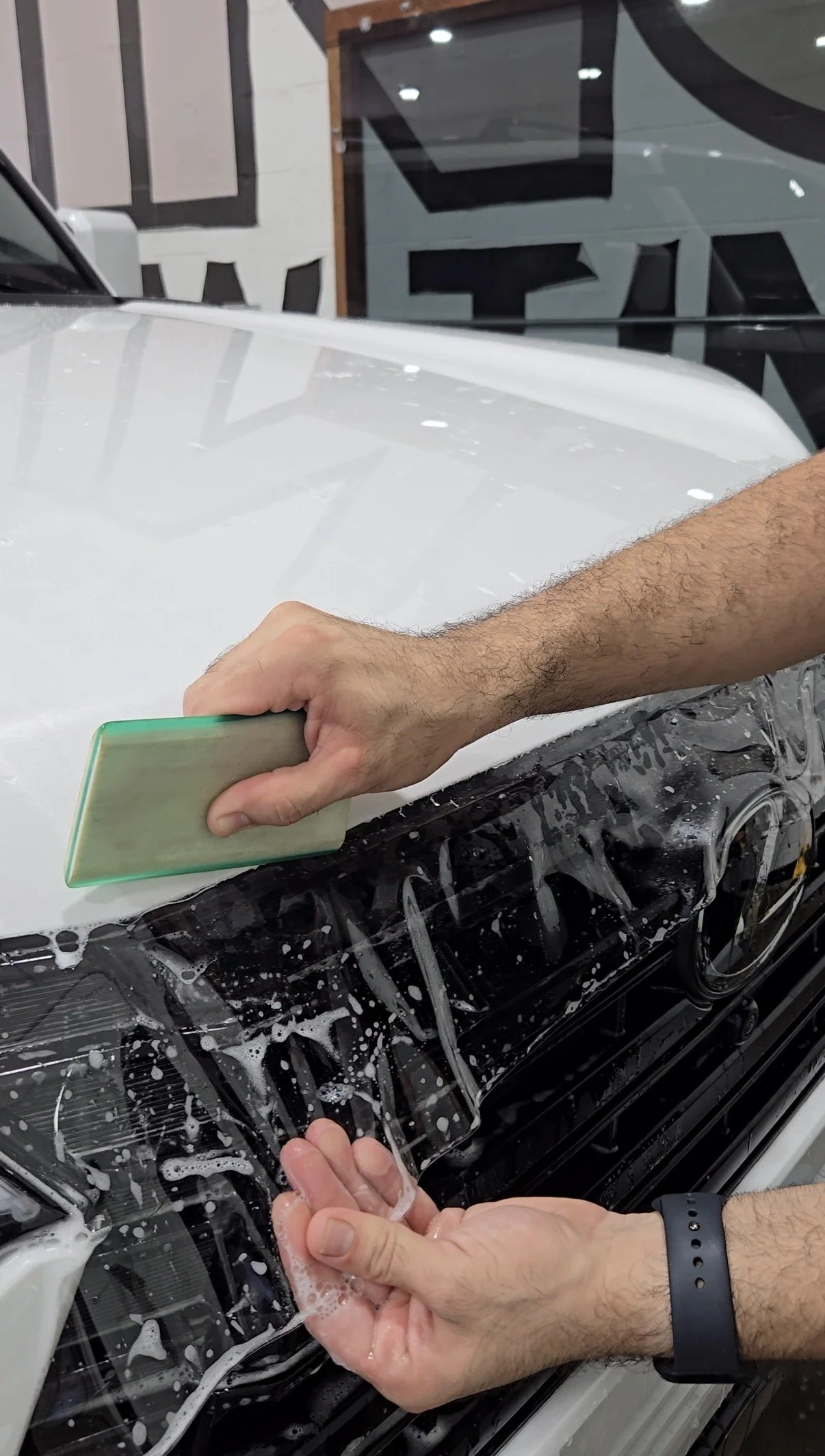
What Is the Difference Between Ceramic Coating and PPF?
The biggest difference between ceramic coating and paint protection film is the type of protection they provide.
Ceramic coating is a liquid protective layer applied to your vehicle's exterior paint. Once cured, it creates a hydrophobic surface that helps water, dirt, and other contaminants release more easily during washing. It also provides resistance against certain environmental contaminants and makes routine maintenance easier.
However, ceramic coating does not provide meaningful protection against rock chips, deep scratches, or physical impacts. It is designed primarily to protect the surface and improve the ease of maintaining your vehicle.
Paint protection film (PPF) also called clear bra, is a transparent, durable film installed over painted surfaces. Its primary purpose is physical protection. PPF acts as a barrier between your vehicle's paint and common road hazards such as rock chips, minor abrasions, and debris.
Depending on the film, some PPF products also feature self-healing properties that help reduce the appearance of light surface scratches when exposed to heat.
In simple terms, ceramic coating helps protect your paint from environmental contamination and makes cleaning easier, while PPF helps protect against physical damage.
When Should You Choose Ceramic Coating?
Ceramic coating is a good option for owners who want to maintain their vehicle's appearance while making regular washing and maintenance easier.
If your vehicle spends most of its time commuting around Santa Fe Springs, Los Angeles, or surrounding Southern California cities, it is regularly exposed to dust, road grime, water spots, and environmental contaminants.
Ceramic coating can help reduce how strongly many of these contaminants bond to the paint, making them easier to remove with proper washing techniques.
Some of the main benefits include:
Hydrophobic properties: Water beads and sheds more easily from the surface.
Easier maintenance: Dirt and grime are generally easier to remove during routine washes.
Environmental resistance: Helps protect against certain contaminants that can affect automotive paint.
Gloss and appearance: Enhances the appearance of properly prepared paint.
Long-term maintenance: Provides a protective layer that can help maintain your vehicle's finish when properly cared for.
Ceramic coating is especially worth considering if you enjoy keeping your vehicle clean, want to simplify maintenance, and prioritize maintaining its overall appearance.
Keep in mind that proper paint preparation is important. Paint correction may be necessary before applying a ceramic coating to address existing swirl marks, scratches, and other imperfections.
When Should You Choose Paint Protection Film (PPF)?
If your biggest concern is protecting your vehicle from rock chips and road debris, PPF is the better choice.
Southern California highways expose vehicles to plenty of potential paint damage. Whether you're commuting on the 5, 605, or 91 freeway, small rocks and debris can quickly leave chips in exposed areas of your vehicle.
PPF is designed to absorb and help prevent this type of physical damage from reaching the original paint.
Common areas where owners choose to install PPF include:
Front bumper: One of the most exposed areas to road debris.
Hood: Particularly vulnerable to rock chips during highway driving.
Front fenders: Help protect against debris kicked up by other vehicles.
Side mirrors: Exposed to road debris and minor abrasions.
Door edges and high-impact areas: Help prevent damage from everyday use.
PPF can be installed on individual panels or larger portions of the vehicle, depending on your protection goals and driving habits.
If you own a new vehicle, a high-end sports car, or something with expensive or difficult-to-repair paint, PPF is worth serious consideration. Preventing paint damage is generally easier than dealing with chips and repainting later.
Can You Combine Ceramic Coating and PPF?
Absolutely. In fact, combining both is one of the most comprehensive ways to protect your vehicle's exterior.
Since ceramic coating and PPF serve different purposes, they complement each other rather than replace one another.
For example, you could install PPF on the front bumper, hood, fenders, and mirrors to protect against rock chips and road debris. Ceramic coating can then be applied to the remaining painted surfaces to improve hydrophobic properties and make maintenance easier.
Ceramic coating can also be applied over compatible PPF, following the film manufacturer's recommendations. This adds the maintenance benefits of ceramic protection to the areas already covered by film.
The important thing to understand is that ceramic coating does not make PPF unnecessary, and PPF does not eliminate the benefits of ceramic coating.
So, which one should you choose?
Choose ceramic coating if your priority is easier maintenance, hydrophobic properties, and protecting your vehicle's finish from certain environmental contaminants.
Choose PPF if your priority is preventing rock chips, scratches, and physical paint damage.
Choose both if you want a more complete approach to protecting your vehicle.
At the end of the day, the right solution depends on your vehicle, driving habits, and expectations. There is no reason to invest in protection you don't need, but understanding what each option offers can help you make a better decision.
If you're considering ceramic coating or paint protection film, Protek Automotive Protection can help you understand your options. Located in Santa Fe Springs, CA, we work with vehicle owners looking to maintain and protect their paint.
Call (562) 239-6550 or visit protekceramic.com to learn more and discuss the right protection for your vehicle.
