
What Causes Swirl Marks and How to Prevent Them
If your paint looks dull in the sun or you notice light spiderweb patterns across the surface, you’re looking at swirl marks. They’re one of the most common issues we see on vehicles in Long Beach, CA—and one of the most preventable.
The problem is, most swirl marks aren’t caused by neglect. They’re caused by improper washing and handling, even by owners who care about their cars.
Let’s break down what swirl marks actually are, what causes them, and how to avoid them.
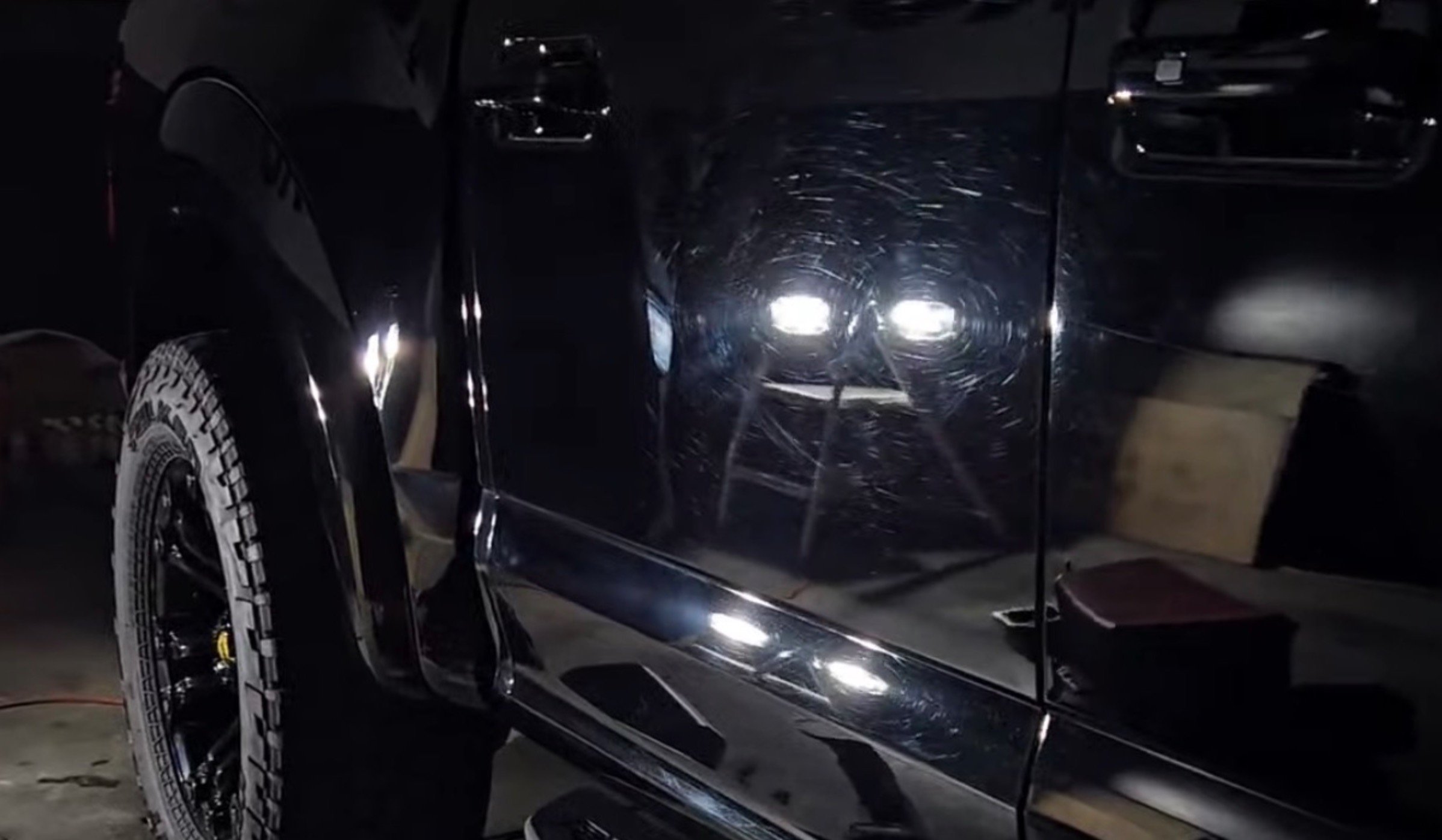
What Are Swirl Marks?
Swirl marks are fine scratches in your vehicle’s clear coat. They’re usually circular or web-like in appearance, which is why they stand out under direct sunlight or strong lighting.
Your car’s paint system includes a top layer called the clear coat, which is designed to protect the color underneath. Swirl marks occur when that clear coat is lightly scratched over time.
They don’t just affect appearance—they reduce clarity, gloss, and overall paint condition.
What Causes Swirl Marks?
Swirl marks don’t happen randomly. They’re almost always the result of friction combined with contamination.
Here are the most common causes:
#1 Improper Washing Techniques
This is the biggest one.
Using a single bucket, reusing dirty wash mitts, or applying too much pressure during a wash grinds dirt into the paint. That dirt acts like sandpaper, creating micro-scratches.
Automatic car washes are even worse. The brushes used in many of these systems are loaded with debris from previous vehicles.
#2 Drying with Dirty or Low-Quality Towels
After washing, drying is another high-risk step.
Using old towels, bath towels, or anything not designed for automotive paint can leave behind scratches. Even a clean towel can cause damage if there’s still dirt sitting on the surface.
#3 Wiping a Dirty Car
This one happens more than people realize.
Quickly wiping dust off your car with a dry towel—or even a duster—can drag debris across the surface. It might seem harmless, but it’s one of the fastest ways to introduce swirl marks.
#4 Poor Detailing Habits
Using the same towel on multiple areas (wheels, lower panels, paint), not properly rinsing tools, or rushing through the process all increase the risk.
Inconsistent technique over time leads to cumulative damage.
Why Swirl Marks Are So Common in Southern California
Living in Long Beach and the surrounding areas adds another layer to the problem.
Dust and airborne debris are constant
Castal moisture and salt can sit on surfaces
Strong sunlight makes imperfections more visible.
Even if you wash your car regularly, the environment increases the chances of improper contact with the paint.
That’s why prevention matters just as much as correction.
How to Prevent Swirl Marks
Avoiding swirl marks comes down to minimizing friction and controlling contamination.
Here’s what actually works:
Use the Two-Bucket Wash Method
One bucket holds clean soapy water, the other is for rinsing your wash mitt. This reduces the chance of reintroducing dirt back onto the paint.
Pair that with a quality microfiber wash mitt—not a sponge.
Pre-Rinse Thoroughly
Before touching the paint, remove as much dirt as possible with water. This step alone reduces the amount of debris you’re dragging across the surface.
Use Proper Drying Towels
Use clean, high-quality microfiber drying towels designed for automotive use. Pat dry or lightly glide across the surface—don’t apply pressure.
Avoid Automatic Car Washes
Even “soft touch” systems can cause damage over time. Hand washing—done correctly—is always safer for your paint.
Don’t Wipe a Dirty Car
If your car has dust or dirt on it, don’t touch it until it’s been properly rinsed. This is one of the easiest habits to fix and one of the biggest differences you can make.
How to Fix Swirl Marks
Once swirl marks are in the paint, they don’t come out with a wash.
They require paint correction, which involves machine polishing to safely remove a thin layer of clear coat and level out the surface.
Done properly, this restores
Gloss and clarity
Depth of color
Overall paint condition.
After correction, many owners choose to protect the finish with ceramic coating or paint protection film (PPF) to reduce future damage and make maintenance easier.
Final Thoughts
Swirl marks are common—but they’re not unavoidable.
Most of the damage comes down to small habits:
How you wash
How you dry
When you touch the paint.
Fixing those habits early will save your paint long-term and reduce the need for correction down the line.
If your vehicle already has swirl marks or you want to protect it properly from the start, it’s worth getting professional guidance.
If you’re in Long Beach, CA and want help restoring or protecting your paint, you can reach PROTEK Ceramic at (562) 239-6550 or visit our contact page.
